Data Security, updated 21 min read
Best Reputation Management Tools: Protect Clients in 2026
By InsecureWeb Team

A client calls before your morning standup. Their customer portal looks fine, DNS is intact, and endpoint alerts are quiet. But someone has spun up a fake login page that mirrors their brand, users are posting screenshots on social media, and support is getting hit with password-reset complaints. Your stack didn’t miss an internal compromise. It missed an external reputation attack.
That’s why reputation management can’t sit only with marketing anymore. For MSPs, MSSPs, and internal security teams, the category now overlaps with threat intelligence, brand protection, fraud prevention, and incident response. The old model, centered on reviews alone, doesn’t cover domain spoofing, executive impersonation, fake social accounts, breach data exposure, or AI-generated summaries that misstate a company’s identity. Teams need platforms that monitor the public web the same way EDR monitors endpoints.
The business case is already there. Consumers read reviews across fragmented channels, and current guides increasingly point to the need to watch AI search visibility alongside traditional monitoring. If you’re also working on improving AI search visibility, the practical question isn’t whether to monitor reputation. It’s whether your tooling can detect abuse early enough to stop trust loss from turning into tickets, churn, or a breach notification.
1. InsecureWeb
A client calls after customers report a login page that looks right, resolves on a lookalike domain, and is already collecting passwords. Reviews and social sentiment matter later. The first problem is exposure, fraud risk, and trust loss happening in public before the SOC sees a clean internal signal.
InsecureWeb is the clearest fit on this list for that kind of work. It approaches reputation management as external attack surface monitoring for MSPs and security teams, not just brand visibility across social, search, and review channels. That changes how the platform gets used. Instead of stopping at mention tracking, it helps teams identify leaked credentials, impersonation infrastructure, fake sites, suspicious domains, and public signals tied to abuse campaigns.
Why it stands out for MSPs
The product bundles several functions MSPs usually piece together across multiple tools: dark web monitoring, fake site and account detection, social and web monitoring for deepfake or impersonation activity, threat intelligence, vulnerability scanning, and AI-guided penetration testing. That range matters in managed services because clients rarely buy “reputation monitoring” as a standalone line item. They buy phishing defense, breach exposure monitoring, executive protection, and faster incident response.
There is also a practical service-delivery advantage. Teams can move from discovery to validation to client reporting without handing the issue off between separate platforms. If a suspicious domain appears, you can assess exposure, document business impact, and turn the finding into a remediation ticket or a recurring monitoring service.
The commercial model is also better aligned with MSP operations than many enterprise PR platforms.
- White-label delivery: MSPs can present the service under their own brand instead of pushing clients into a vendor-owned portal.
- API access included: Alerts and findings can feed ticketing systems, reporting workflows, or a shared client dashboard.
- Flexible billing: A free tier, usage-based option, and MSP plan make it easier to price across smaller accounts and larger managed environments.
That flexibility creates a sales advantage too. A provider can scan a prospect’s exposed assets or impersonation footprint early in the sales process and show a specific security gap, rather than leading with generic reputation language.
Practical rule: If a tool can show that a brand is being discussed but cannot help confirm leaked credentials, cloned domains, or impersonation activity, it leaves a security team with only part of the picture.
For MSPs building recurring exposure-monitoring services, InsecureWeb’s material on dark web monitoring benefits for early threat detection lines up with how these offerings are packaged and sold.
Where the trade-offs are
InsecureWeb is strongest when reputation risk overlaps with security operations. That is a real advantage for MSPs, but it also defines the boundary. Teams that need advanced campaign analytics, consumer sentiment research, or broad PR workflow support will still want a dedicated listening platform alongside it.
There is also a procurement trade-off. The company presents partner-focused capabilities, public breach-tracking activity, and signals such as bug bounty and leak reward programs, but buyers who expect extensive third-party validation and a long list of named enterprise case studies may ask for more proof during evaluation. In practice, that means MSPs should plan to run a hands-on pilot, test alert quality, and validate how well findings translate into client actions.
Used that way, InsecureWeb fills a gap that traditional reputation platforms often miss. It helps security teams treat public-facing trust threats as operational risk, then turn that monitoring into billable protection services.
2. Brandwatch
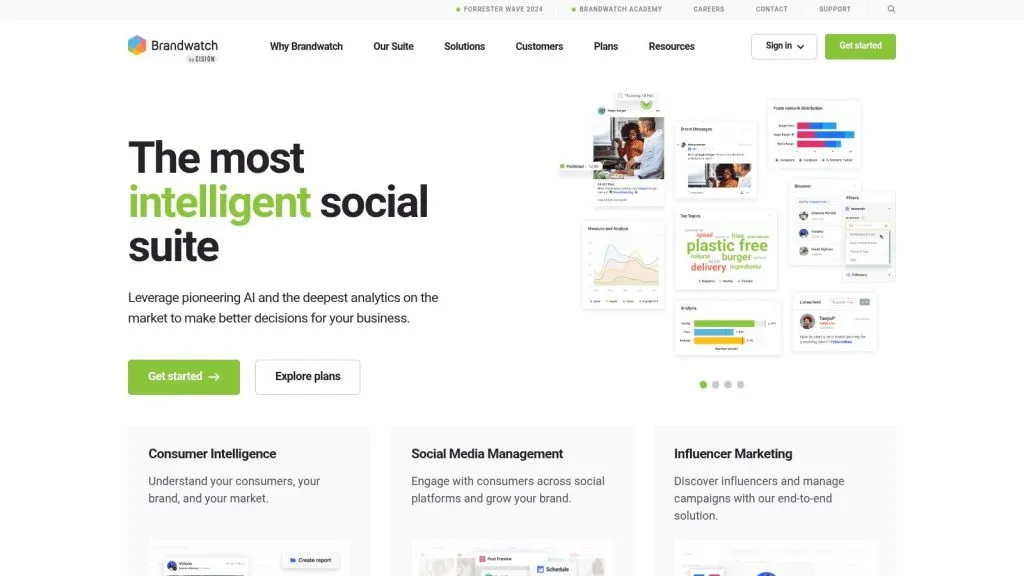
Brandwatch is what I’d choose when the client’s reputation problem is broad, noisy, and global. It’s built for deep listening across social platforms, forums, blogs, news, and reviews, with flexible taxonomy work and strong research workflows. Security teams won’t use all of that every day, but comms, PR, and executive-risk teams often will.
Brandwatch works well when the incident isn’t a single fake domain. It’s the secondary wave. Public complaints, screenshots, reposts, influencer pickup, and local-language discussion can spread faster than the original abuse artifact. In those cases, broad monitoring helps you track blast radius while your security team handles takedowns and account resets.
Best fit
This is an enterprise platform, and it feels like one. Query design, segmentation, alert tuning, and dashboard setup all take real work. But that effort pays off when you need more than keyword alerts.
- Deep listening: Good for complex brand queries, subtopics, and false-positive reduction.
- Crisis detection: Useful when you need to catch sentiment shifts or abnormal conversation spikes.
- Research depth: Strong fit for companies that want to connect reputation events to audience, geography, and narratives.
Brandwatch is less compelling as a direct security control. It won’t replace dark web exposure monitoring for stolen credentials and external risk signals, and it isn’t the tool I’d put in front of an analyst who needs to validate impersonation fast. But paired with a security-focused platform, it can help answer the questions leadership asks during an incident: Who’s talking about this, where is it spreading, and is the story changing?
Broad listening is valuable during a reputation incident, but it’s downstream of exposure discovery. You still need a tool that finds the abuse itself.
3. Meltwater
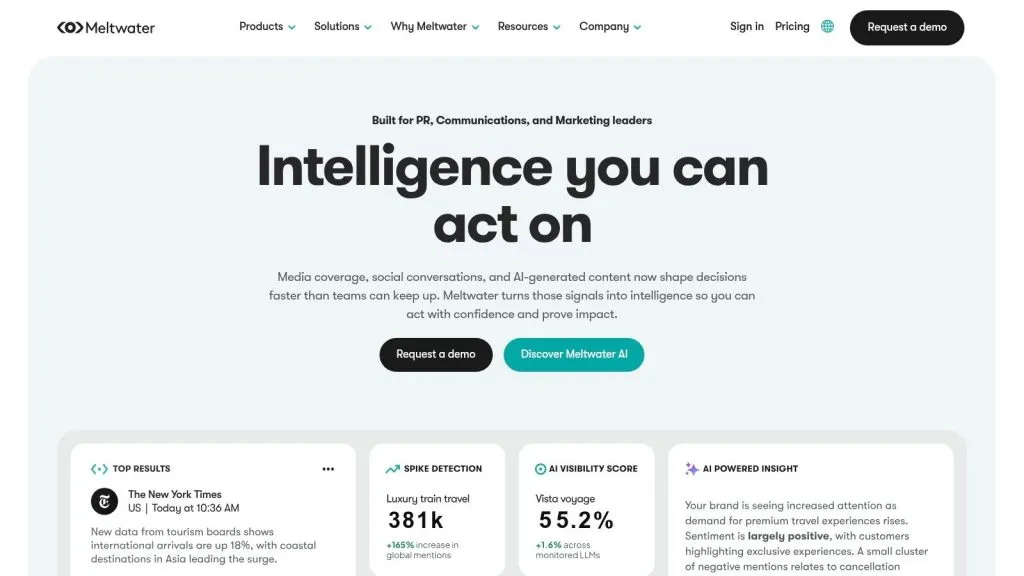
Meltwater sits in a useful middle ground between media monitoring and social listening. That makes it attractive when your client’s reputation risk isn’t limited to reviews or social chatter. News pickup, trade press coverage, Reddit threads, executive mentions, and customer backlash often collide in the same event, and Meltwater is built for that kind of cross-channel monitoring.
For MSPs, the operational value is simple. Your client success manager, security lead, and PR contact can work from the same event picture instead of stitching together screenshots from separate tools. That reduces lag during incidents where perception changes by the hour.
Where it helps security-adjacent teams
Meltwater’s strength is visibility and reporting. Real-time alerts, AI-assisted query building, and executive dashboards help teams move from raw mentions to something leadership can act on. If a spoofed campaign starts generating customer complaints and local coverage, Meltwater helps your team brief the client quickly without turning analysts into report writers.
A marketing-only team may view that as a nice-to-have. An MSP handling comms escalation will treat it as operational hygiene.
- Unified coverage: Social, news, forums, and earned media live in one workflow.
- Executive reporting: Good for boards, regional leads, and franchise stakeholders who want a clean snapshot.
- Alerting: Helpful when discussion volume or tone starts moving before support queues fully light up.
The trade-off is that Meltwater still centers monitoring and intelligence, not direct external attack-surface defense. If your service catalog includes impersonation hunts, dark web alerts, or validation testing, Meltwater should sit beside a security platform rather than in place of one.
4. Talkwalker
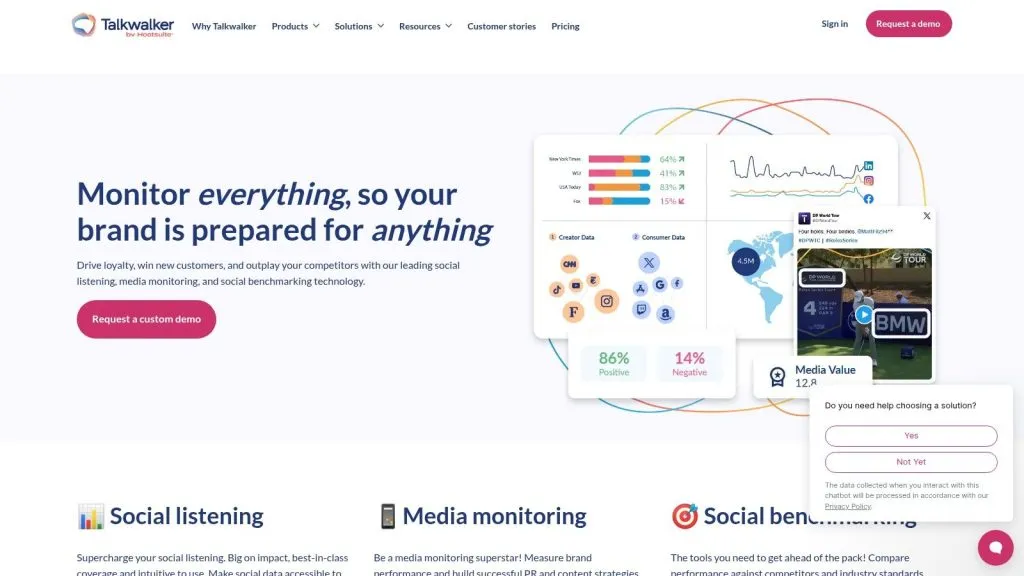
Talkwalker fits the moment when a client’s logo starts circulating in a fake giveaway image, a clipped video, or a localized post your SOC will never see in standard brand mention alerts. That matters for MSPs because reputation abuse often starts as a security problem. The first signal is not always a phishing report or a takedown request. It can be a visual asset spreading across social channels and regional communities before support tickets arrive.
Talkwalker stands out on visual listening, multilingual monitoring, and broad channel coverage. If a threat actor reuses branded graphics, screenshots a fake chat with your client, or pushes impersonation content in multiple languages, Talkwalker gives comms and security-adjacent teams a better chance of spotting the pattern early. For public-facing clients with franchise models, regional branches, or international exposure, that visibility has real operational value.
The platform is also well suited to live incident monitoring.
Its dashboards and crisis views work well when the issue is already public and multiple teams need the same picture at once. PR can track spread and sentiment. Account managers can brief the client. Security can use the signal to validate whether the event is limited to public chatter or tied to a larger impersonation campaign, spoofed domain activity, or account compromise. That cross-functional view is where Talkwalker earns a place in an MSP stack.
The trade-off is setup overhead. Talkwalker is powerful, but it needs careful query design, tuning, and governance to keep noisy results from drowning out useful alerts. Smaller MSP teams that mainly handle reviews, social responses, or simple mention tracking may find it heavier than they need.
For clients with high brand exposure, though, that complexity can be justified. Talkwalker is not an external attack surface tool, and it will not replace dark web monitoring or domain defense. What it does well is give security teams and client-facing teams faster visibility into the public phase of a reputation incident, especially when the abuse spreads through images, video, and multilingual channels instead of plain text.
5. Sprout Social
A client’s social account starts drawing complaints on a Friday afternoon. Some are routine support issues. One might be the first public sign of impersonation, account misuse, or a coordinated abuse campaign. Sprout Social is useful in that moment because it helps teams triage, route, and respond fast across the channels where customers are already talking.
Sprout Social is strongest as a social operations platform with listening attached. Publishing, engagement, shared inboxes, approval flows, and reporting are well developed. For MSPs supporting multi-location clients or service-heavy brands, that matters. The platform gives account teams and client stakeholders one place to manage outbound posts, inbound messages, and response ownership without stitching together separate tools.
Strong social workflow control, limited external threat coverage
Sprout fits best where reputation work overlaps with customer service and brand communications. If a client needs tighter response handling, clearer escalation paths, and better visibility into what is trending across owned social channels, it does that job well. The Listening module adds context around sentiment, keywords, and emerging topics, which can help teams separate a one-off complaint spike from a broader issue that needs executive attention.
That has real value for MSPs. Faster routing reduces missed messages. Cleaner workflows improve response times. Better reporting makes it easier to show clients what the team handled, where complaints came from, and which issues should move into a formal incident process.
The trade-off is depth. Sprout Social does not give security teams much help with dark web exposure, spoofed domains, leaked credentials, or impersonation infrastructure outside mainstream social channels. It can surface the public conversation around an incident, but it is not built to investigate the external attack surface behind that incident.
- Best for: MSPs managing social response operations, approvals, and client reporting from one platform.
- Less suited for: Security-led services focused on impersonation detection, domain abuse, or leaked data monitoring.
- Cost consideration: Listening is an add-on, so total spend can rise quickly for teams that need broader monitoring and multiple users.
For clients that treat social as a primary service channel, Sprout can improve day-to-day control. For MSPs positioning reputation management as a security function, it works better as one part of the workflow than as the system of record for external risk.
6. Brand24
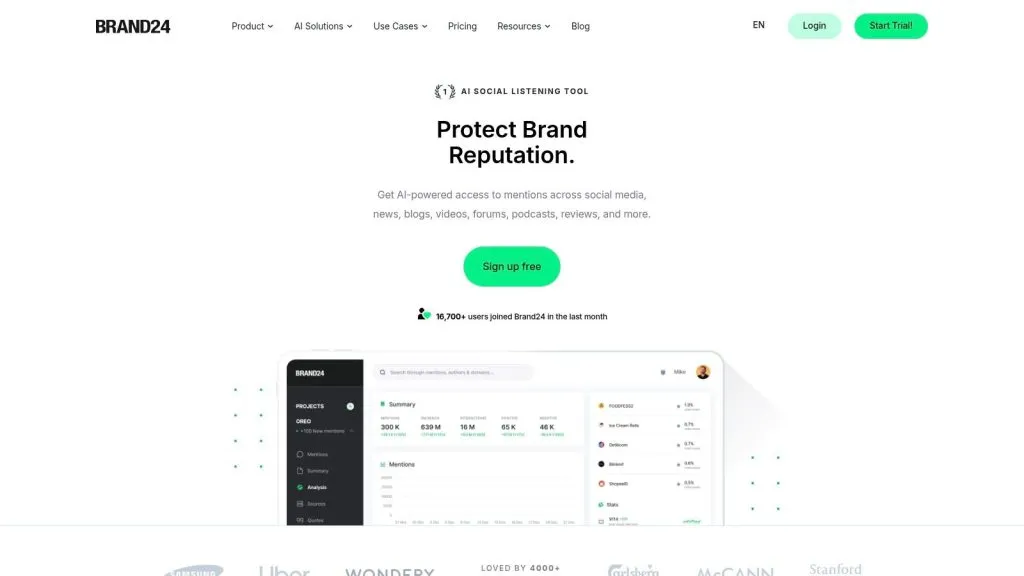
A client calls because a fake Facebook page is answering customer complaints under their brand name. At the same time, a negative review thread starts climbing in search results. Brand24 fits this kind of first-response monitoring job well. It gives MSPs a fast way to watch brand mentions across news, blogs, forums, review sites, and major social channels without a long procurement cycle or heavy setup.
Brand24 is a practical option for smaller service teams that need coverage quickly and need to show value early. Setup is simple, pricing is easy to understand, and the interface does not require a dedicated analyst to become usable. For an MSP building an entry-level digital risk or reputation monitoring service, that matters. You can get alerts in place, tune keyword sets, and start producing client-facing reports within days instead of treating deployment as its own project.
Strong for early warning, lighter for investigation
Brand24 works best as a detection layer. It can flag a spike in complaints, surface mentions from places a client is not actively watching, and help teams catch impersonation attempts once they become visible in public conversation. That creates a useful handoff point for security and incident response. If a mention suggests account takeover, brand abuse, or leaked internal material, the team can move into a post-breach response workflow instead of treating it as a routine PR issue.
That security angle is the primary reason Brand24 belongs on this list.
For MSPs, reputation monitoring is not only about sentiment or review volume. It is also about reducing the time between external exposure and internal action. Brand24 helps with that initial visibility. It does less well once the job shifts from monitoring to attribution. It is not built for dark web collection, domain permutation tracking, takedown workflows, or detailed analysis of the infrastructure behind spoofing and impersonation campaigns.
Those limits become clearer as client environments get more complex. Mention caps, narrower controls over categorization, and less depth for high-volume programs can force a move to a broader platform later. Still, for SMB and mid-market accounts, Brand24 is a credible starting point when the goal is to detect public-facing reputation and brand abuse issues early, route them fast, and prove the service is worth expanding.
7. Mention
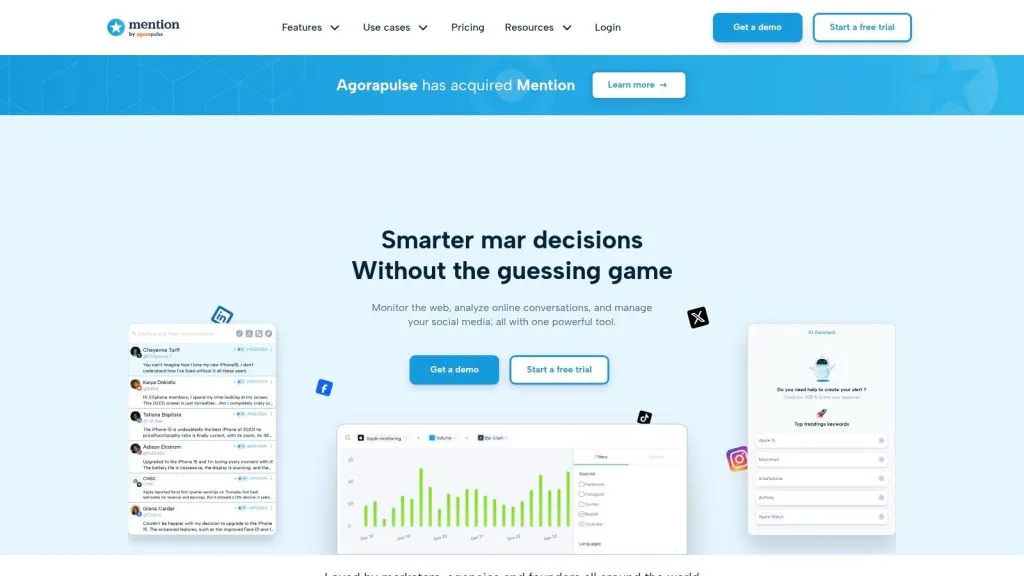
Mention fits a common MSP scenario. A client calls after a fake social account starts replying to customers, a misleading Reddit thread begins ranking for the company name, or a complaint spike hints at a larger incident. The immediate need is detection and triage, not a full social publishing suite. Mention is good at that narrower job.
Its product direction makes that easier to assess. Since Mention moved away from Publish and Respond, the platform is more clearly a monitoring and alerting layer. That means fewer overlapping features to pay for, faster onboarding for teams that already have a help desk or comms workflow, and less confusion about what the tool is supposed to own.
Good fit for signal collection and escalation
Mention works well when public monitoring is only the first step in a security or service process. An MSP can watch for brand mentions, competitor references, sudden sentiment shifts, and early signs of impersonation, then route the finding into a ticket, client Slack channel, or post-breach response workflow if the issue points to account takeover or exposed data.
That separation matters. Security teams usually do not want the same platform handling listening, publishing, customer support, review solicitation, and incident response all at once. They want reliable signal collection, clear alerting, and a simple way to hand off what matters.
Mention also helps map where a client’s name is being discussed. That has operational value even if the client uses another product for reviews or local listings. Teams comparing lighter review programs with broader monitoring can pair this kind of listening layer with tools focused on response and profile management, such as LocalHQ’s review management features.
The trade-off is depth. Mention can tell you that a conversation is spreading or that a suspicious account is drawing attention, but it does not give MSPs the investigative context needed for higher-risk cases. There is limited value here for dark web collection, domain permutation tracking, takedown coordination, or infrastructure-level analysis behind spoofing campaigns.
For SMB and mid-market clients, that may be acceptable. If the goal is to catch public signals early and escalate them quickly, Mention is practical and cost-conscious. If the service promise includes external threat intelligence and brand abuse investigation, it works better as one part of the stack than the center of it.
8. Birdeye
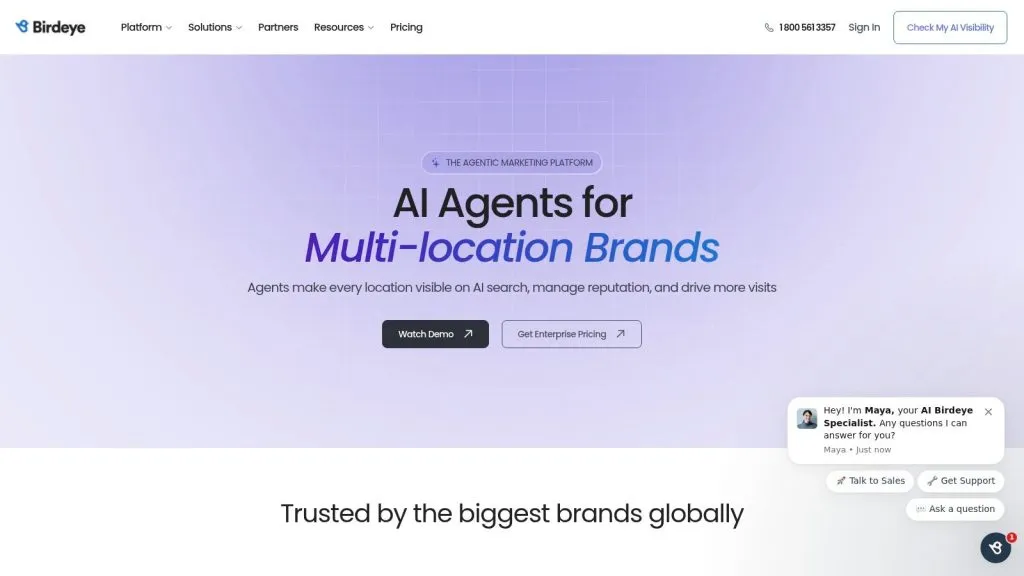
Birdeye is built around the realities of multi-location businesses. Franchises, clinic groups, retail chains, home-service networks, and regional offices all have the same problem. Reputation isn’t one brand stream. It’s hundreds of local streams, each with its own review velocity, listing accuracy, and response quality.
That’s why Birdeye is stronger in governed operations than in pure listening depth. It bundles reviews, listings, surveys, social, messaging, and AI-assisted responses in a way that maps well to distributed businesses that need one system of record.
Strong for location-based governance
For MSPs, Birdeye is easier to justify when the client’s risk comes from inconsistency. One branch replies to every review. Another ignores them. One location has accurate hours and services. Another doesn’t. Customers don’t care which department owns that problem. They just see a brand that looks unreliable.
Current buyer guidance emphasizes that reputation tooling is especially valuable for sectors such as restaurants, hotels, clinics, and other multi-location service chains because teams need centralized review management across sources like Google Maps, Facebook, Yelp, TripAdvisor, Google Play, Apple App Store, blogs, forums, and news portals. Birdeye fits that operating model well.
- Review generation and response: Good for steady local reputation maintenance.
- Listings and messaging: Useful when inaccurate business data is hurting trust.
- Location-based packaging: Easier to map to franchise and branch-heavy clients.
The trade-off is implementation weight. Birdeye can consolidate a lot, but large rollouts need process discipline, ownership, and client buy-in.
9. Reputation
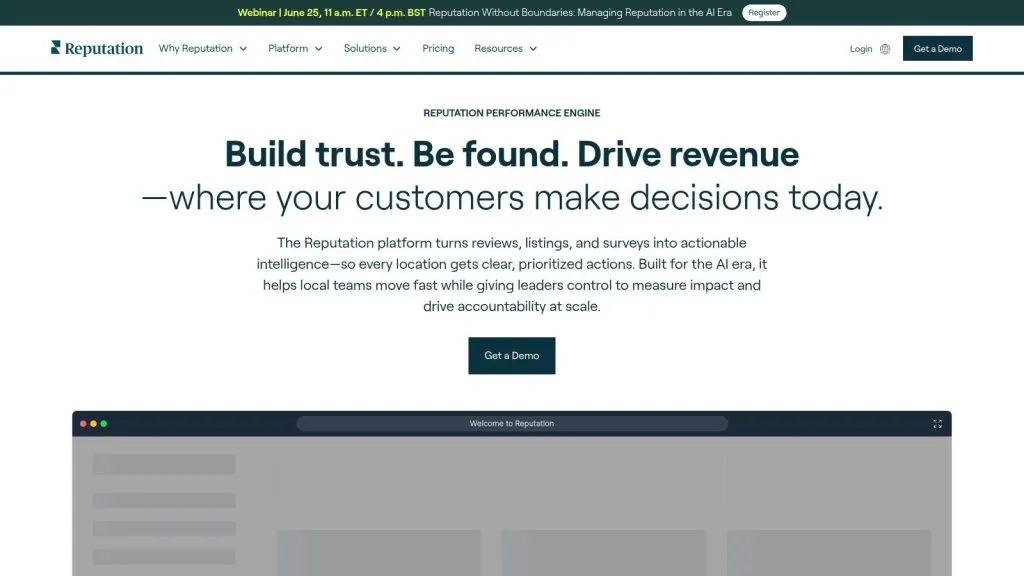
Reputation is one of the more operationally mature platforms in this category. It isn’t just for listening. It’s for running reputation and customer experience programs at scale across locations, teams, and approval flows. If you manage distributed clients with lots of business units, that depth matters.
Many buyer guides still undersell the actual challenge. In regulated sectors and enterprise environments, the hard part isn’t noticing a review. It’s deciding who can respond, what they’re allowed to say, how regional teams escalate edge cases, and whether the system preserves auditability.
Operational depth for regulated and distributed brands
Recent coverage increasingly points out that reputation platforms now need to monitor AI search visibility, search results, news, and other public sources together, while governance-focused guidance highlights centralized dashboards, approval workflows, and location-level benchmarking for multi-location and regulated environments (AI visibility coverage, governance for enterprises and regulated sectors). Reputation is strong when those controls matter as much as the monitoring itself.
It’s also a practical fit after a public incident. If a client has had exposed data, negative press, and review fallout at the same time, they need more than alerts. They need a governed response process and a way to standardize communications across locations. That’s why I’d pair this kind of platform with a breach playbook such as post-breach response steps for external exposure events.
Field note: Regulated clients rarely fail because they lacked alerts. They fail because no one defined who approves a response when the issue becomes legally sensitive.
The downside is scope and cost. If all you need is lightweight mention tracking, Reputation will feel bigger than necessary.
10. ReviewTrackers
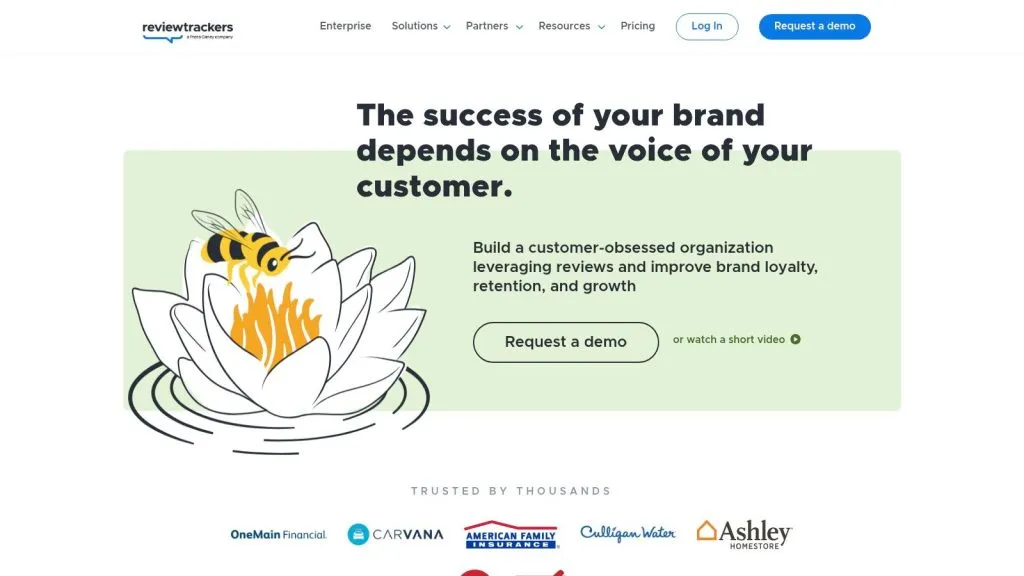
A franchise client gets hit with a wave of one-star reviews after a payment outage, while another location has an outdated Google Business profile and no one is answering customer complaints. For an MSP, that is not just a marketing problem. It affects trust, support volume, local search visibility, and the client’s ability to prove they are still in control of their public presence.
ReviewTrackers is useful in that kind of environment because it stays tightly focused on reviews. It gives multi-location organizations centralized monitoring, response workflows, request automation, and location-level reporting without forcing them into a broader social listening purchase.
That focus matters.
For MSPs supporting restaurant groups, healthcare practices, retail chains, and field service businesses, review management is often the part of reputation operations that clients feel first. Poor response coverage, inconsistent ownership of listings, and unmanaged negative feedback create visible signals of neglect. Attackers and impersonators benefit from that confusion because weak public-facing governance usually means weak internal ownership too.
Review response discipline for multi-location clients
ReviewTrackers works best where the operational requirement is clear. A team needs one place to watch review volume, route responses, compare locations, and keep local managers accountable. As noted earlier, review performance has a direct effect on revenue and conversion for location-based businesses, which is why many clients will fund this category even if they are not ready for a larger brand intelligence platform.
I like its fit for distributed organizations that need process more than analysis. The practical value is speed and consistency. An MSP can help define who responds, how quickly they respond, which locations are slipping, and whether public complaints are pointing to a service issue, a fraud pattern, or a branch-level breakdown in customer handling.
There is also a security-adjacent benefit. Sudden review spikes, coordinated complaints, and profile neglect can be early signs that a location page has been targeted, spoofed, or left unmanaged after staff turnover. ReviewTrackers will not investigate impersonation or dark web exposure, but it helps teams catch reputation drift before it turns into a larger trust problem.
If you need a broader stack around local presence, LocalHQ’s review management features are worth looking at alongside ReviewTrackers for comparison.
The trade-off is clear. ReviewTrackers handles review operations well, but it is not a security monitoring platform and it is not built for wider threat visibility across domains, fake sites, leaked credentials, or social impersonation. MSPs serving higher-risk clients should treat it as one layer in the workflow, not the full answer.
Top 10 Reputation Management Tools, Feature & Performance Comparison
| Solution | Core features | Unique selling points ✨ | Target audience 👥 | Pricing & value 💰 | Trust / Quality ★ |
|---|---|---|---|---|---|
| 🏆 InsecureWeb | Dark‑web monitoring, fake‑site/account detection, threat intel, vuln scans, AI pentests, deepfake monitoring | ✨ MSP‑first white‑label + free API; 18B+ breach DB; passive + active testing; Bug Bounty & Breach Tracker | 👥 MSPs, hosting providers, resellers, security firms | 💰 Free starter (15 credits/mo); pay‑as‑you‑go ~ $0.40/asset; MSP plan ~$290/mo (150 assets) | ★★★★☆ Strong corpus & MSP tooling; limited public third‑party validation |
| Brandwatch – Consumer Research | Enterprise social listening, forums/news/blogs, image/logo recognition, alerts | ✨ Deep analytics, custom taxonomies & audience panels | 👥 Enterprises, market researchers, large comms teams | 💰 Enterprise / sales‑led pricing | ★★★★☆ Mature research capabilities |
| Meltwater – Social Listening | Cross‑channel listening (social + earned), AI query building, real‑time alerts, exec dashboards | ✨ PR + social unified workflows; predictive conversation forecasting | 👥 PR/comms teams, agencies, MSPs needing reporting | 💰 Quote / demo based | ★★★★☆ Strong media & exec reporting |
| Talkwalker | Global coverage, visual/logo tracking, LLM insights, dashboards & IQ Apps | ✨ Visual & voice monitoring (images/video/podcasts); volume tiers | 👥 Brands, crisis teams, global comms | 💰 Quote‑based; can be premium for small teams | ★★★★☆ Excellent for reputation & crisis monitoring |
| Sprout Social (Listening add‑on) | Publishing, engagement, analytics + optional Listening (sentiment, trends) | ✨ Polished publishing/inbox UX; clear base pricing & trial | 👥 Social teams, SMBs, nonprofits | 💰 Clear base plans; Listening is paid add‑on | ★★★★☆ Best day‑to‑day social workflows |
| Brand24 | Real‑time mentions, AI sentiment/topic, multi‑source coverage (incl. podcasts/TikTok) | ✨ Transparent self‑serve pricing; white‑label reporting | 👥 SMBs, agencies, MSPs | 💰 Card‑payable plans; scalable tiers | ★★★★☆ Good mid‑market value & quick onboarding |
| Mention | Real‑time web & social monitoring, sentiment, share‑of‑voice, dashboards | ✨ Monitoring‑first simplicity; clear plan descriptions | 👥 SMBs, budget teams, agencies | 💰 Affordable tiers; history/API as add‑ons | ★★★★☆ Straightforward monitoring focus |
| Birdeye | Review generation/monitoring, listings, messaging, surveys, AI replies | ✨ Location‑based packaging, industry templates, managed services | 👥 Franchises, multi‑location businesses, MSP portfolios | 💰 Configurator / sales‑guided; varies by locations & add‑ons | ★★★★☆ Strong for multi‑location reputation |
| Reputation (formerly Reputation.com) | Reviews, listings, surveys, Reputation IQ & dashboards, AI responses | ✨ Per‑location tiering; scales to 500+ locations; free Rep Starter | 👥 Enterprises, franchises, multi‑site orgs | 💰 Tiered per‑location pricing; published starter tier | ★★★★☆ End‑to‑end reputation & CX |
| ReviewTrackers | Multi‑site review monitoring, request automation, AI responses, location reporting | ✨ Reviews‑to‑revenue workflows for franchises; location reporting | 👥 Franchises, multi‑location brands, MSPs managing local clients | 💰 Location‑based pricing; simple packaging | ★★★★☆ Focused review management for local ops |
From Monitoring to Action Securing Your Clients’ Digital Footprint
A client calls after a fake login page starts circulating with their branding, and by then the problem is already bigger than marketing. Users have seen it, trust has dropped, and the service desk is dealing with confused employees, customers, or partners. That is why reputation management belongs in the security stack for MSPs, not just in the marketing budget.
The tools in this category solve very different jobs. Review platforms help local businesses collect feedback and respond at scale. Media and social listening platforms help communications teams track coverage, sentiment, and share of voice. Security teams need something else as well: external visibility into impersonation, leaked credentials, spoofed domains, fake social profiles, and brand abuse that can turn into fraud or incident response work.
For MSPs, the practical approach is to separate brand monitoring from brand protection, then connect them through workflow. A security-first platform should catch the threat early. A listening or review platform should help the client manage the public-facing response if the issue reaches customers, prospects, or local search.
A few principles hold up in real deployments:
- Treat reputation as part of the external attack surface: Fake sites, impersonation, and exposed credentials often show up in public before they trigger an internal security control.
- Match the tool to the operator: Security analysts need alerts, evidence, and escalation paths. Marketing teams need context, sentiment, and publishing workflows. Local operators need simple response queues and approvals.
- Build governance in from the start: Multi-location clients, healthcare groups, financial firms, and franchises need role-based access, approval chains, and audit trails.
- Include AI-facing visibility: AI search and answer engines now shape first impressions. If they summarize a client inaccurately after a breach, impersonation event, or review wave, that becomes a trust problem fast.
Response speed matters because recovery is labor-intensive. Once a fake domain starts collecting credentials or a spoofed executive account gains traction, the work expands quickly. Security has to validate the threat, legal may need takedown support, marketing has to correct the public record, and account teams have to reassure the client.
That is the true selection test for these tools. The best fit is not the one with the longest feature list. It is the one that helps your team detect external risk early, route it to the right people, document the response, and protect client trust before the issue turns into churn, fraud, or a larger security event.
If you want a wider view of where the category is heading, including AI-facing workflows, Sight AI’s reputation monitoring is a useful adjacent read.
If your clients depend on public trust, local discovery, or a recognizable brand, reputation monitoring is part of digital defense.
If you want a platform built for the security side of reputation, InsecureWeb is the strongest place to start. It helps MSPs and security teams detect dark web leaks, fake sites, impersonation, deepfake-driven attacks, and exposed weaknesses before those issues turn into client churn, fraud, or incident-response chaos. It’s also structured for service delivery, with white-label options, API access, and pricing models that work for recurring managed offerings.